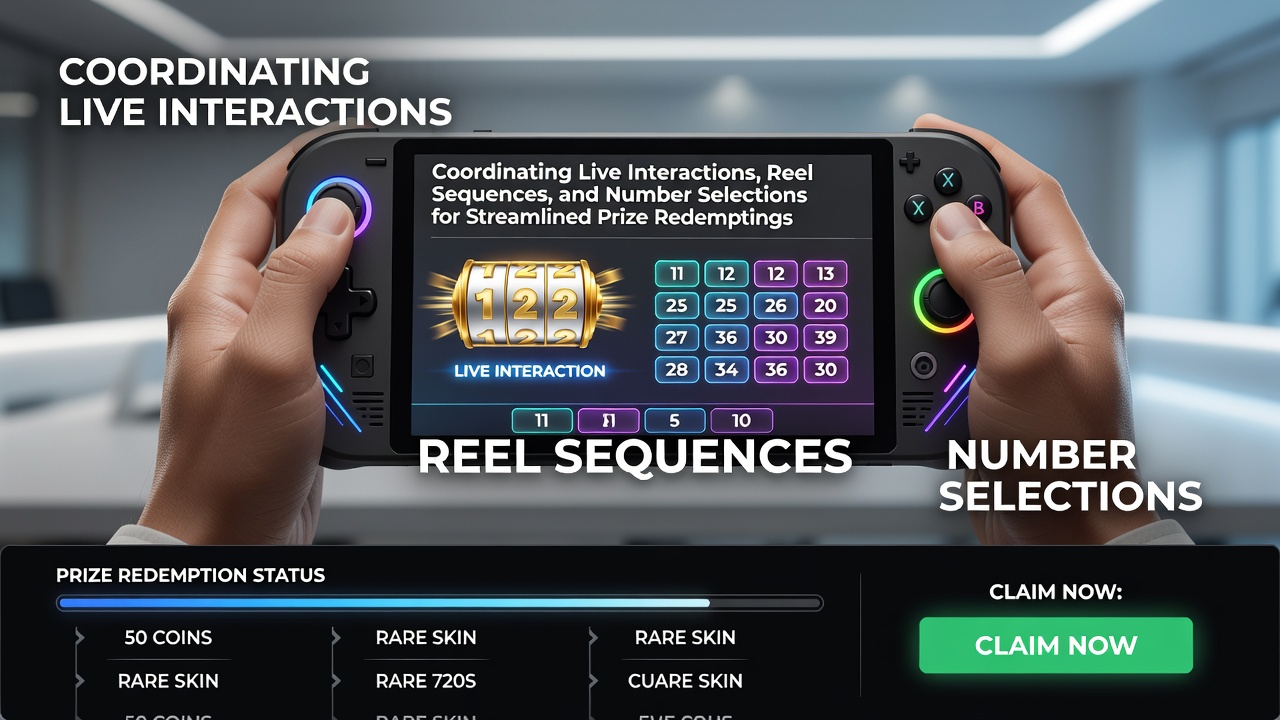
Synchronizing Live Interactions, Reel Sequences, and Number Selections for Efficient Prize Redemptions in Mobile Gaming
Developers integrate live video streams with reel-based mechanics and random number generators on handheld devices through centralized servers that process inputs in milliseconds. These systems route player actions from touch interfaces directly to backend processors that align outcomes across multiple game types before triggering redemption protocols. Data packets travel between device sensors and cloud clusters where timing protocols ensure that live dealer responses coincide with reel stops and number draws without latency spikes. Portable platforms rely on application programming interfaces to link distinct components into single workflows. A live interaction module captures video and audio feeds while a reel engine handles symbol alignments and a selection engine generates numerical results from certified random sources. When a player completes a sequence the platform bundles results into a unified redemption request that verifies eligibility against account balances and regulatory parameters before releasing funds or credits. **Real-time data flows in practice**
Engineers design these platforms so that live dealer tables feed outcome data into shared ledgers that also record reel positions and lottery picks. Synchronization occurs through timestamped event queues that prevent conflicts when multiple game modes activate during one session. Studies from the University of Nevada Reno gaming technology lab show that such queuing reduces processing delays by up to 40 percent compared with isolated systems. Mobile operating systems contribute additional layers through background task managers that prioritize gaming packets over other network traffic. Developers test these configurations across different carriers and device models to maintain consistent performance during peak usage periods. In October 2026 several manufacturers plan firmware updates that further compress synchronization intervals for cross-game redemptions. **Redemption pathways and verification steps**
Once outcomes align the platform initiates a multi-stage check that confirms each component result matches the recorded seed values. Live interaction logs receive cross-reference against video timestamps, reel sequences undergo hash verification, and number selections pass through independent audit trails. Successful checks route the combined prize value to the user's digital wallet or trigger instant bank transfers where supported. Industry reports from the Nevada Gaming Control Board document how these layered checks maintain compliance across state lines while supporting faster player access to winnings. The board's annual technology review highlights integration standards that portable systems must meet before receiving operational approval.  **Hardware and network considerations**
Handheld devices incorporate specialized chips that accelerate cryptographic operations required for result validation. These processors handle simultaneous decryption of live streams and reel data without draining battery reserves excessively. Network operators deploy edge computing nodes that cache common game assets closer to users, which shortens round-trip times during coordinated play sessions. Observers note that signal fluctuations in crowded venues can disrupt timing between components. Developers counter this through adaptive buffering that pauses non-critical elements while preserving live interaction continuity. Research published by the International Association of Gaming Regulators in 2025 examined similar buffering techniques across European and Asian markets and found measurable improvements in redemption completion rates. **Security protocols across integrated systems**
Encryption standards wrap each data stream individually before they merge at the server level. Live video receives one encryption layer, reel outcome logs receive another, and number selection records receive a third. Servers then apply session-wide tokens that tie all three streams to a single player identity for the duration of the session. Auditors examine these layered protections during periodic reviews. The Canadian Gaming Association maintains guidelines that address how portable platforms should isolate each game module even while allowing coordinated redemptions. Compliance teams run simulated attacks that attempt to alter one component without detection in others, and platforms must demonstrate resilience before certification renewal. **Future coordination enhancements**
Equipment suppliers continue refining protocols that allow deeper cross-game linkages without increasing device resource demands. Planned updates scheduled for late 2026 include expanded support for simultaneous participation in live events, reel progressions, and number pools through single interface dashboards. These changes aim to consolidate verification steps further while preserving independent audit trails for each element. Regulatory bodies in multiple jurisdictions review these emerging standards through joint working groups. Their findings shape the technical specifications that portable gaming manufacturers incorporate into new hardware releases. As synchronization methods advance, redemption processes continue to consolidate around unified verification frameworks that respect both speed requirements and oversight obligations. **Conclusion**
Portable gaming systems achieve streamlined prize redemptions by maintaining precise coordination between live interaction feeds, reel sequence engines, and number selection modules. Centralized servers, timestamped event queues, and multi-layer verification steps ensure that outcomes from separate game types combine into single, auditable requests. Hardware accelerations, edge computing, and evolving encryption practices support these workflows across diverse network conditions. Ongoing regulatory reviews and scheduled platform updates in 2026 indicate continued refinement of these integration methods.
Developers integrate live video streams with reel-based mechanics and random number generators on handheld devices through centralized servers that process inputs in milliseconds. These systems route player actions from touch interfaces directly to backend processors that align outcomes across multiple game types before triggering redemption protocols. Data packets travel between device sensors and cloud clusters where timing protocols ensure that live dealer responses coincide with reel stops and number draws without latency spikes. Portable platforms rely on application programming interfaces to link distinct components into single workflows. A live interaction module captures video and audio feeds while a reel engine handles symbol alignments and a selection engine generates numerical results from certified random sources. When a player completes a sequence the platform bundles results into a unified redemption request that verifies eligibility against account balances and regulatory parameters before releasing funds or credits. **Real-time data flows in practice**
Engineers design these platforms so that live dealer tables feed outcome data into shared ledgers that also record reel positions and lottery picks. Synchronization occurs through timestamped event queues that prevent conflicts when multiple game modes activate during one session. Studies from the University of Nevada Reno gaming technology lab show that such queuing reduces processing delays by up to 40 percent compared with isolated systems. Mobile operating systems contribute additional layers through background task managers that prioritize gaming packets over other network traffic. Developers test these configurations across different carriers and device models to maintain consistent performance during peak usage periods. In October 2026 several manufacturers plan firmware updates that further compress synchronization intervals for cross-game redemptions. **Redemption pathways and verification steps**
Once outcomes align the platform initiates a multi-stage check that confirms each component result matches the recorded seed values. Live interaction logs receive cross-reference against video timestamps, reel sequences undergo hash verification, and number selections pass through independent audit trails. Successful checks route the combined prize value to the user's digital wallet or trigger instant bank transfers where supported. Industry reports from the Nevada Gaming Control Board document how these layered checks maintain compliance across state lines while supporting faster player access to winnings. The board's annual technology review highlights integration standards that portable systems must meet before receiving operational approval.
**Hardware and network considerations**
Handheld devices incorporate specialized chips that accelerate cryptographic operations required for result validation. These processors handle simultaneous decryption of live streams and reel data without draining battery reserves excessively. Network operators deploy edge computing nodes that cache common game assets closer to users, which shortens round-trip times during coordinated play sessions. Observers note that signal fluctuations in crowded venues can disrupt timing between components. Developers counter this through adaptive buffering that pauses non-critical elements while preserving live interaction continuity. Research published by the International Association of Gaming Regulators in 2025 examined similar buffering techniques across European and Asian markets and found measurable improvements in redemption completion rates. **Security protocols across integrated systems**
Encryption standards wrap each data stream individually before they merge at the server level. Live video receives one encryption layer, reel outcome logs receive another, and number selection records receive a third. Servers then apply session-wide tokens that tie all three streams to a single player identity for the duration of the session. Auditors examine these layered protections during periodic reviews. The Canadian Gaming Association maintains guidelines that address how portable platforms should isolate each game module even while allowing coordinated redemptions. Compliance teams run simulated attacks that attempt to alter one component without detection in others, and platforms must demonstrate resilience before certification renewal. **Future coordination enhancements**
Equipment suppliers continue refining protocols that allow deeper cross-game linkages without increasing device resource demands. Planned updates scheduled for late 2026 include expanded support for simultaneous participation in live events, reel progressions, and number pools through single interface dashboards. These changes aim to consolidate verification steps further while preserving independent audit trails for each element. Regulatory bodies in multiple jurisdictions review these emerging standards through joint working groups. Their findings shape the technical specifications that portable gaming manufacturers incorporate into new hardware releases. As synchronization methods advance, redemption processes continue to consolidate around unified verification frameworks that respect both speed requirements and oversight obligations. **Conclusion**
Portable gaming systems achieve streamlined prize redemptions by maintaining precise coordination between live interaction feeds, reel sequence engines, and number selection modules. Centralized servers, timestamped event queues, and multi-layer verification steps ensure that outcomes from separate game types combine into single, auditable requests. Hardware accelerations, edge computing, and evolving encryption practices support these workflows across diverse network conditions. Ongoing regulatory reviews and scheduled platform updates in 2026 indicate continued refinement of these integration methods.